

















Mother Pass Cover Twill Sand
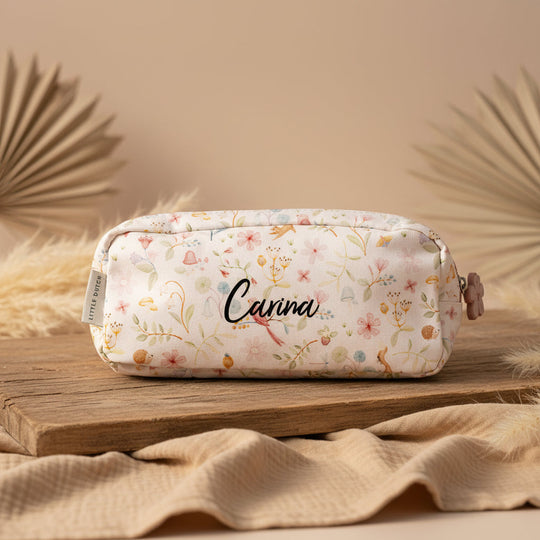
For the Mother Pass, a printout of the birth plan, and later the U-Heft. Available plain or personalized with a name.
View cover

A good birth plan keeps your most important wishes brief, clear, and flexible. It helps you, your companion, and the obstetric team talk about priorities—for example, support, atmosphere, movement, pain relief, communication, and the first time with your baby. It is not a contract or a guarantee of a specific course of events.
The German Federal Centre for Health Education points out that a birth cannot be planned down to the last detail. At the same time, it can help you get clear about your own wishes early on and discuss them with your companion, midwife, and medical team. That is exactly the value of a birth plan: It opens up a conversation instead of prescribing a course of events.
Ask your hospital, birth center, or midwife what options are available there. Is there a bathtub? How many companions are allowed? How does the birth registration work? What routines apply immediately after birth? A wish that fits the place of birth is easier to understand and more realistically achievable.
If you have medical conditions, allergies, distressing past experiences, or particular fears, they should not only be on a piece of paper. Talk about them with the treating team in good time. A guide cannot replace this personal conversation.
A long list of wishes can quickly become confusing. Therefore, mark three points that are particularly important to you. These could be a trusted companion, calm explanations before procedures, or as much freedom of movement as possible. Other wishes may follow, but the priorities should remain clear at a glance.
Phrases such as “If medically possible, I wish…” or “Please explain proposed procedures to me briefly and clearly” create clarity without predetermining necessary decisions. Avoid absolute sentences like “under no circumstances” unless you want to rule out an option for sure after a personal consultation with a professional.
Flexibility does not take away from the plan's value. On the contrary: a Plan B can provide reassurance. If movement is not possible at times, what helps you instead? If the preferred pain relief is not enough, which options would you like to discuss? If a cesarean section becomes necessary, which aspects of support and initial closeness are important to you then?
Discuss the draft with your companion. They should not only know what is on paper but also which points are priorities for you. The World Health Organization recommends a companion of your own choosing during labor and birth, provided this is what you want. A trusted person can provide emotional support and help with communication.
The birth plan should not prescribe medical self-treatment. Which measures are appropriate and safe depends on the specific situation and is decided with the obstetric team.
My three most important wishes:
1. …
2. …
3. …
Companion and communication:
I will be accompanied by …
In making decisions, … is especially helpful to me.
During labor:
As far as possible, I wish …
… helps me relax.
Pain relief:
First, I would like to try …
If needed, I would like other options explained to me.
If the course of events changes:
In the event of induction, operative birth, or cesarean section, it is important to me …
After birth:
For the first time with my baby, as far as medically possible, I wish …
Special notes:
I will discuss allergies, past experiences, or support needs personally with the team in addition.
Print two copies of the plan: one for the records and one for your companion. Also save it on your smartphone. The hospital bag checklist helps with the other documents. After birth, our overviews on maternity leave after birth and registering the baby will guide you further.
These products do not replace professional advice. However, they can help you take important documents with you in an organized way and record memories after birth. All three were active, publicly accessible, and available in at least one version at the time of publication.
For the Mother Pass, a printout of the birth plan, and later the U-Heft. Available plain or personalized with a name.
View cover
A German-language memory album for the time after birth, optionally personalized with a name.
View baby diary
The diary, box, and milestone cards bundle memories of the first time with your baby in one set.
View Welcome Baby SetIn the baby shower collection, you will find more practical and personal ideas for pregnancy, birth, and the first time with your baby.
Discover baby shower giftsA birth plan is helpful when it strengthens your voice while also leaving room for the actual situation. Focus on a few priorities, formulate wishes clearly, discuss them in advance, and state alternatives. This turns a list into a practical communication tool for you, your companion, and the obstetric team.
No. It documents wishes and discussion points, but does not prescribe a medical course of events. The specific care is based on the situation, safety, and joint decision.
Start as soon as you have looked into the place of birth and the options. Plan enough time to discuss the draft at the birth registration or with your midwife or medical care.
One or two clear pages are usually enough. Put the three most important wishes at the beginning and use short bullet points.
No. It is voluntary. A personal conversation can be just as appropriate. Some parents use only a short list of priorities.
Yes. Write down what you would like to try first and which options you want explained if needed. You clarify individual medical suitability with the professional team.
You can record wishes for support, communication, and first contact with the baby, each subject to the proviso that the medical situation allows it.
At least your companion and the obstetric team. Discuss important points as early as possible before the calculated due date.
Sources and status as of October 2, 2026: German Federal Centre for Health Education, How can I prepare for birth?; World Health Organization, Intrapartum care for a positive childbirth experience as well as Companion of choice during childbirth. This guide does not replace personal advice from a midwife, doctor, or obstetrician.
